Published by Iulian Donici on 30.12.2019
and updated on 07.11.2021 at 19:16
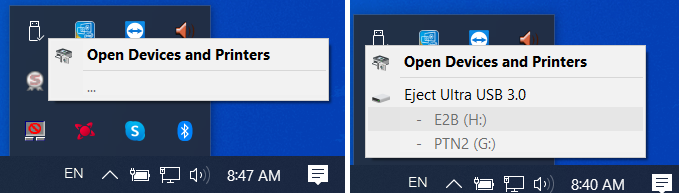
If you’re seeing three dots instead of the name of your USB drive on your Windows, then you need to know how to properly format it with CMD or PowerShell.
Published by Iulian Donici on 17.12.2019
and updated on 25.05.2020 at 23:46
This article’s purpose is to show you how to force the web browser redirect your insecure HTTP web site to secure HTTPS by using .htaccess.
Generate your own free OpenSSL certificate for your website.
Create a file called .htaccess and PASTE the following code into it (NOTE: the file must be created inside the root of your website; for example, inside the www/ or public_html/ folder of your website): RewriteEngine On
RewriteCond %{HTTPS} off
RewriteRule ^(.*)$ https://%{HTTP_HOST}%{REQUEST_URI} [L,R=301]
Test your work by typing inside a private window of your web browser, your domain but without the http or www. For example, type just yourdomain.com and check your browser’s return:
Published by Iulian Donici on 28.10.2019
and updated on 07.02.2020 at 10:14
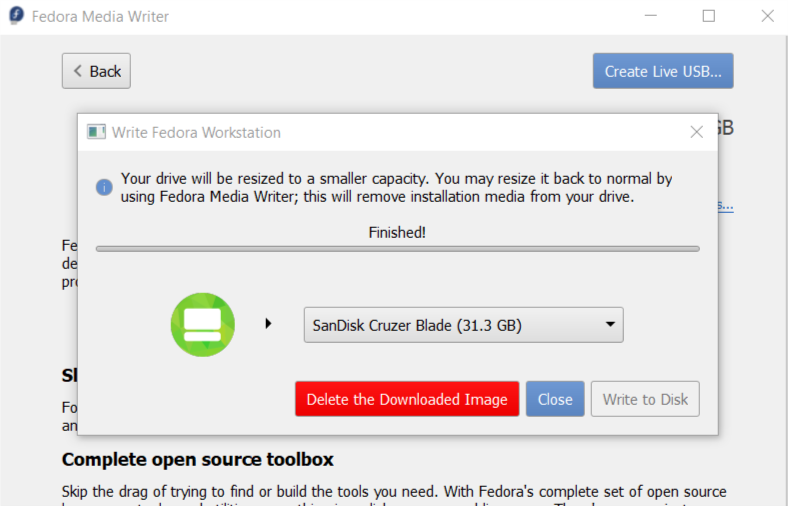
There are many ways to write an ISO of a Linux distribution. But when it comes for Fedora, Fedora Media Writer is the official tool for writing, creating a Fedora ISO to a USB drive. The tool is so user-friendly, it doesn’t even need a tutorial.
Published by Iulian Donici on 04.09.2019
and updated on 07.11.2021 at 20:01
There might be situations where you find yourself in need of creating, having a Windows MySQL server but you can’t actually install it. I found that it is better, more practical, efficient to have a portable Windows MySQL server version running on your hardware rather than one installed.